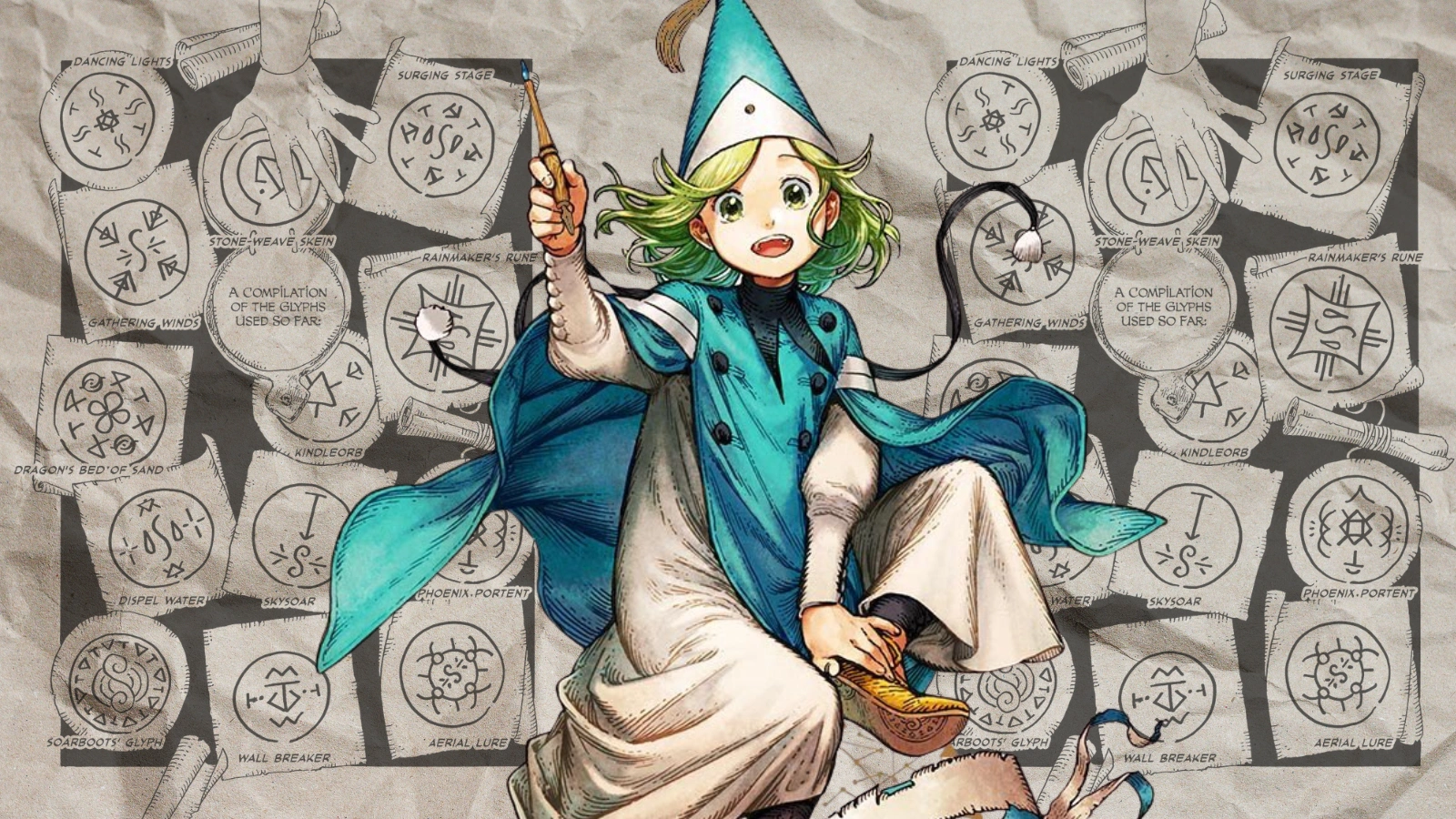
Witch Hat Atelier Magic System Explained:
Magic in Witch Hat Atelier isn’t a power someone is simply born with, it’s a craft anyone can learn if they study hard enough. Kamome Shirahama builds the entire series around this idea, turning spellcasting into something closer to drawing or engineering than fantasy heroics.
- Every spell is drawn, not summoned, which means skill and precision matter more than raw talent.
- Magic runs on knowledge, symbols, and creativity rather than innate power levels.
Understanding these rules changes how the story reads. Once you know why a mistake in a drawn symbol can be dangerous, or why some knowledge is kept secret, scenes that once felt like simple action sequences carry much more weight. This guide breaks down the fundamentals so you can follow the system with confidence.
How Does Magic Work in Witch Hat Atelier?
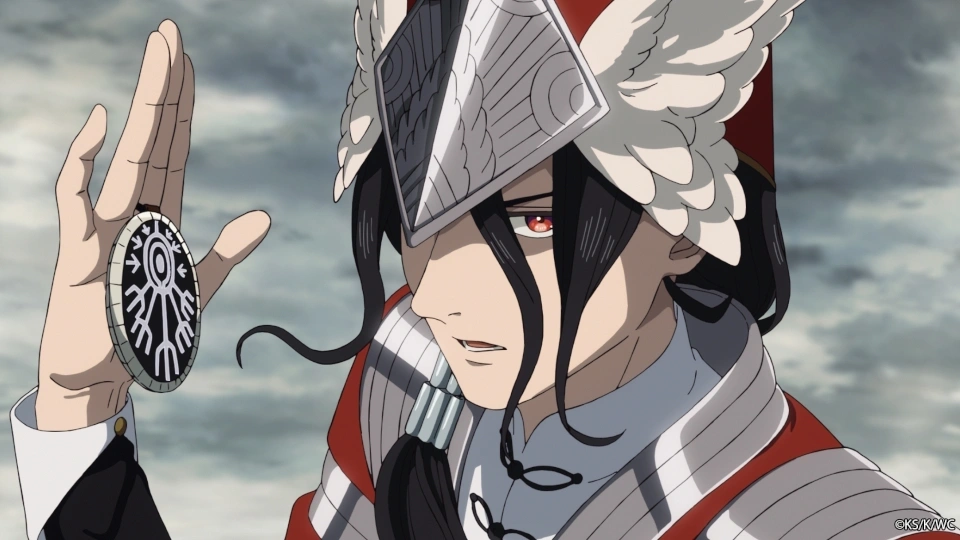
At its core, magic in this world is created by drawing precise symbols, called glyphs, using special ink and tools. Anyone who learns the correct technique can, in theory, cast a spell;there’s no inborn “magic gene” separating witches from everyone else.
- Witches rely on studied knowledge of symbols, not physical strength or willpower.
- A glyph only works if it’s drawn accurately; sloppy lines can weaken or break a spell.
- Spell creation is treated like an art form, with witches training for years to master it, the same way an artist studies composition and technique.
This is why the series frames magic as a discipline rather than a gift. Witches spend real time in “ateliers”, workshops, learning from a master before they’re trusted to draw spells on their own. That structure is also what makes magic dangerous in the wrong hands: since anyone can learn it, the knowledge itself has to be carefully controlled.
The key idea to hold onto is that magic here is an art combining creativity, learning, and responsibility, not a shortcut, but a skill with real consequences for getting it wrong.
The Basic Rules of Witch Hat Atelier Magic
The system runs on three core principles that shape almost every major conflict in the story.
Magic Requires Knowledge
- Witches must memorize and understand symbols before they can use them correctly.
- Training under a master witch is standard, since some techniques can’t be picked up from a book alone.
- Beginners can’t simply copy a spell they’ve seen, without understanding what each part of the glyph does, a copied symbol is likely to fail or backfire.
Magic Has Limitations
- Spells follow strict, defined rules; a witch can’t just improvise an effect out of nowhere.
- Small drawing mistakes can change or ruin a spell’s outcome, sometimes with serious consequences.
- Magic isn’t an instant fix for every problem, some things, like undoing certain forbidden effects, take far more than a quick spell.
Magic Requires Responsibility
- Because anyone can learn to cast, witches carefully control who has access to magical knowledge.
- Careless or malicious use of magic is treated as a serious threat, which is part of why witch society keeps its practices hidden from the wider world.
Types of Magic in Witch Hat Atelier

Spells in the series generally fall into a few broad categories, though the manga doesn’t rigidly separate them into official classifications.
Transformation Magic
- Used to change the form or properties of an object.
- Requires a solid understanding of what’s being changed, since transformations that affect living things carry serious risk.
Creation Magic
- Used to produce new objects or modify existing ones for practical use.
- Relies heavily on a witch’s imagination combined with technical knowledge of how a glyph needs to be built.
Healing and Protective Magic
- Covers practical, everyday uses of magic, from minor repairs to protective effects.
- Requires careful control, since magic that directly affects a living body is treated very differently from magic used on objects.
This is only a broad overview, future posts in this series will dig deeper into individual spells and how specific glyphs are constructed.
Magic Symbols and Spell Circles Explained
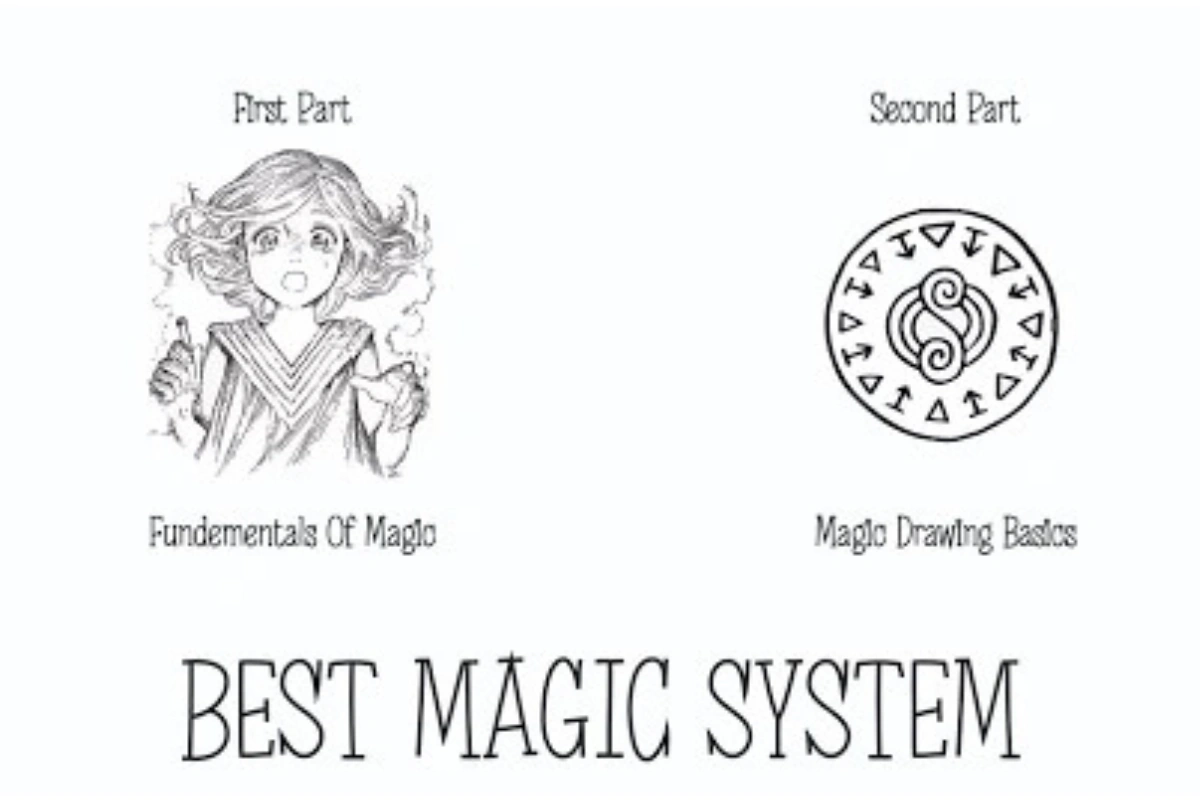
The heart of the system is the glyph, a spell circle made up of smaller symbols that work together like a written instruction set. Each mark inside the circle has a specific meaning, and the combination determines exactly what the spell does.
- Symbols act as instructions: one defines the spell’s core element, others define how that effect behaves.
- Precision matters, a glyph drawn with uneven lines or an incorrect symbol can misfire or fail outright.
- Because of this, accuracy in drawing is just as important as understanding the theory behind the spell.
Witches also have room for creativity within these rules. Once someone understands how individual symbols function, they can combine or adapt them to invent new spells, which is part of why some of the story’s most memorable moments involve characters designing something new. This mechanic is also where the manga’s visual style becomes part of the storytelling — Shirahama’s detailed, intricate artwork mirrors the actual precision spellcasting requires, so the way a scene is drawn reflects the same discipline the characters need to cast successfully.
What Is Forbidden Magic in Witch Hat Atelier?
Not all magic is treated equally in this world. Certain spells are restricted specifically because of how much damage they can cause, and witch society enforces that restriction strictly.
- Forbidden magic generally includes anything drawn directly on or affecting the human body, since the risk of harm is far higher.
- It challenges society’s rules because the knowledge to cast it still exists — it’s simply been hidden rather than erased.
- This creates an ongoing tension between preserving safety and controlling who gets access to dangerous knowledge.
The deeper question the series keeps circling back to is whether hiding dangerous knowledge actually makes the world safer, or whether it just pushes that knowledge toward people willing to use it irresponsibly. That conflict sits underneath nearly every major arc in the manga.
Brimhat Magic vs Traditional Witch Magic
The series’ central conflict comes from two opposing views on how magic should be handled.
Traditional witches (Pointed Hats)
- Follow the established rules set after magic’s dangerous history became widely known.
- Deliberately restrict certain knowledge, including forbidden magic, to keep it out of the wrong hands.
Brimhats
- Actively challenge those restrictions, arguing that hiding knowledge causes more harm than good.
- Use controversial magical practices, including forms of forbidden magic, as part of their broader disagreement with witch society.
This comparison only scratches the surface, a full breakdown of the Brimhat conflict and its key figures deserves its own dedicated guide.
Why Witch Hat Atelier’s Magic System Stands Out
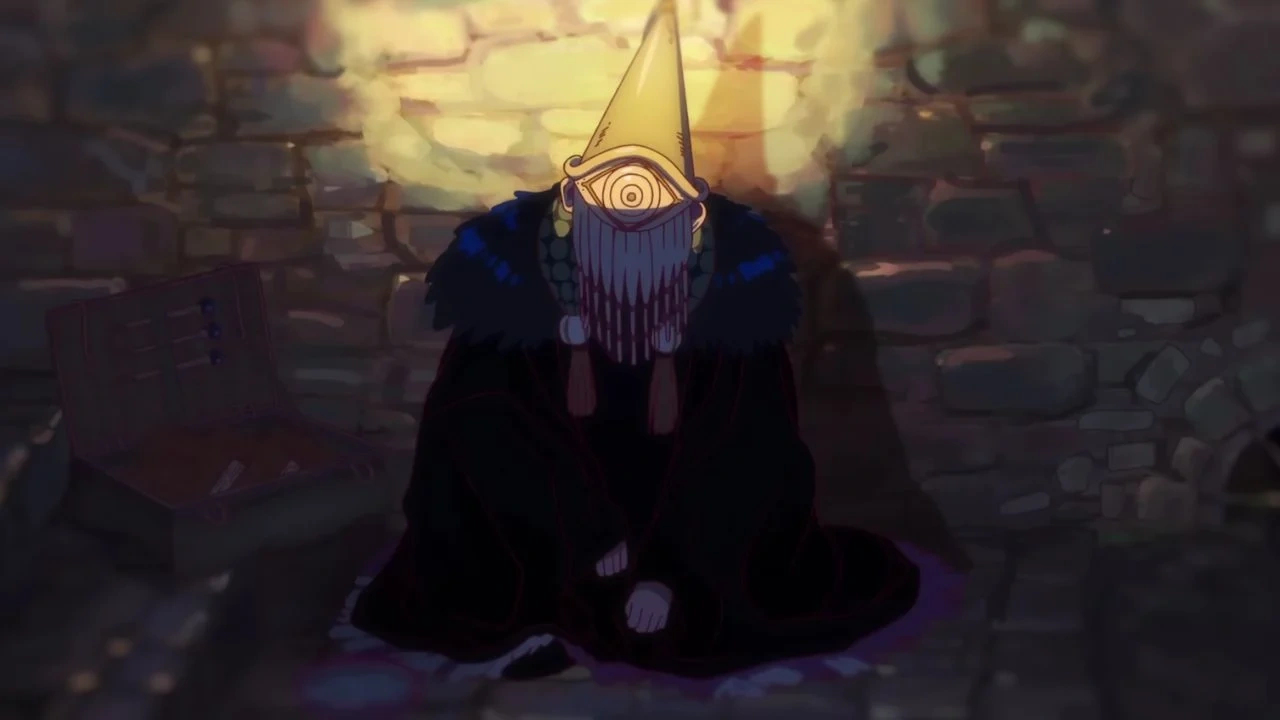
Most fantasy series treat magic as raw power to be unlocked or leveled up. Witch Hat Atelier does the opposite, treating it as a learned craft where technique and creativity matter more than sheer strength.
- Anyone with enough dedication can become skilled, which shifts the story’s stakes away from “who’s the strongest” and toward “who understands the rules best.”
- The strict rules around drawing and symbols create real consequences for mistakes, making conflicts feel grounded rather than arbitrary.
- Because magic is so closely tied to knowledge and responsibility, the system naturally generates the story’s central themes rather than just powering its action scenes.
Final Thoughts
Magic is the foundation everything else in Witch Hat Atelier is built on. The rules around symbols, training, and forbidden knowledge connect directly to the story’s larger themes of responsibility, secrecy, and the cost of creativity.
Understanding how the system works makes it easier to appreciate why characters make the choices they do, and sets up a stronger foundation for exploring specific spells, arcs, and characters in future guides.
Frequently Asked Questions
Can anyone learn magic in Witch Hat Atelier?
Yes, magic isn’t an inborn trait. With proper training and study, most people can learn to cast spells.
Why do witches hide magic?
To control who has access to dangerous knowledge and prevent magic from being used carelessly or maliciously.
How do witches cast spells?
By drawing precise symbols, called glyphs, using special ink and tools, accuracy determines whether the spell works.
What makes Witch Hat Atelier magic different?
It treats magic as a craft built on knowledge and creativity rather than innate power, closer to art than typical fantasy spellcasting.
Is forbidden magic stronger?
Not necessarily stronger, it’s restricted because it’s considered too dangerous or harmful, not because it’s inherently more powerful than permitted magic.